

The genus Psilocybe groups more than a hundred described species, yet only a handful appear on Dutch shop labels, cultivation forums, or clinical trial paperwork. Names like Mexicana, Tampanensis, and Atlantis are strain brands built on Latin binomials that mycologists use differently from marketers. This overview maps which Psilocybe species actually contain psilocybin, how fruiting bodies differ from sclerotia within the same lineage, and why taxonomy literacy matters before anyone compares a forest cap with a refrigerated truffle.
Retail shoppers who buy legal sclerotia still encounter mushroom vocabulary on websites and retreat brochures. Our complete guide to magic mushrooms versus magic truffles explains product forms; the sibling article on identifying psilocybin mushrooms in the wild covers field safety. Here the focus stays on species names, chemistry ranges, and verified reference tools.
How mycologists define Psilocybe
Psilocybe species are basidiomycete fungi with brown spore prints, gills that attach to the stem, and cells that bruise bluish when damaged because oxidized psilocin polymers appear at injury sites. Modern taxonomy relies on DNA barcoding as well as microscopic traits because many small brown mushrooms look alike to beginners. Databases such as MycoBank list accepted species names, synonym histories, and type specimen origins so readers can check whether a shop label matches published science.
Not every mushroom that contains psilocybin belongs to Psilocybe. Genera including Panaeolus, Pluteus, and Gymnopilus also produce indole alkaloids. Confining this article to Psilocybe keeps the scope aligned with Dutch commerce and most European field guides, without implying that blue bruising alone proves a safe identity.
Species behind common cultivation strains
Psilocybe cubensis dominates worldwide indoor cultivation because it fruits reliably on pasteurized substrates and tolerates warmer incubation temperatures than temperate wild species. Caps are often medium to large with cinnamon brown coloration. Although fresh cubensis mushrooms are illegal to sell in the Netherlands, the species appears in spore print art, legacy grow manuals, and potency comparison tables that truffle shoppers still read online.
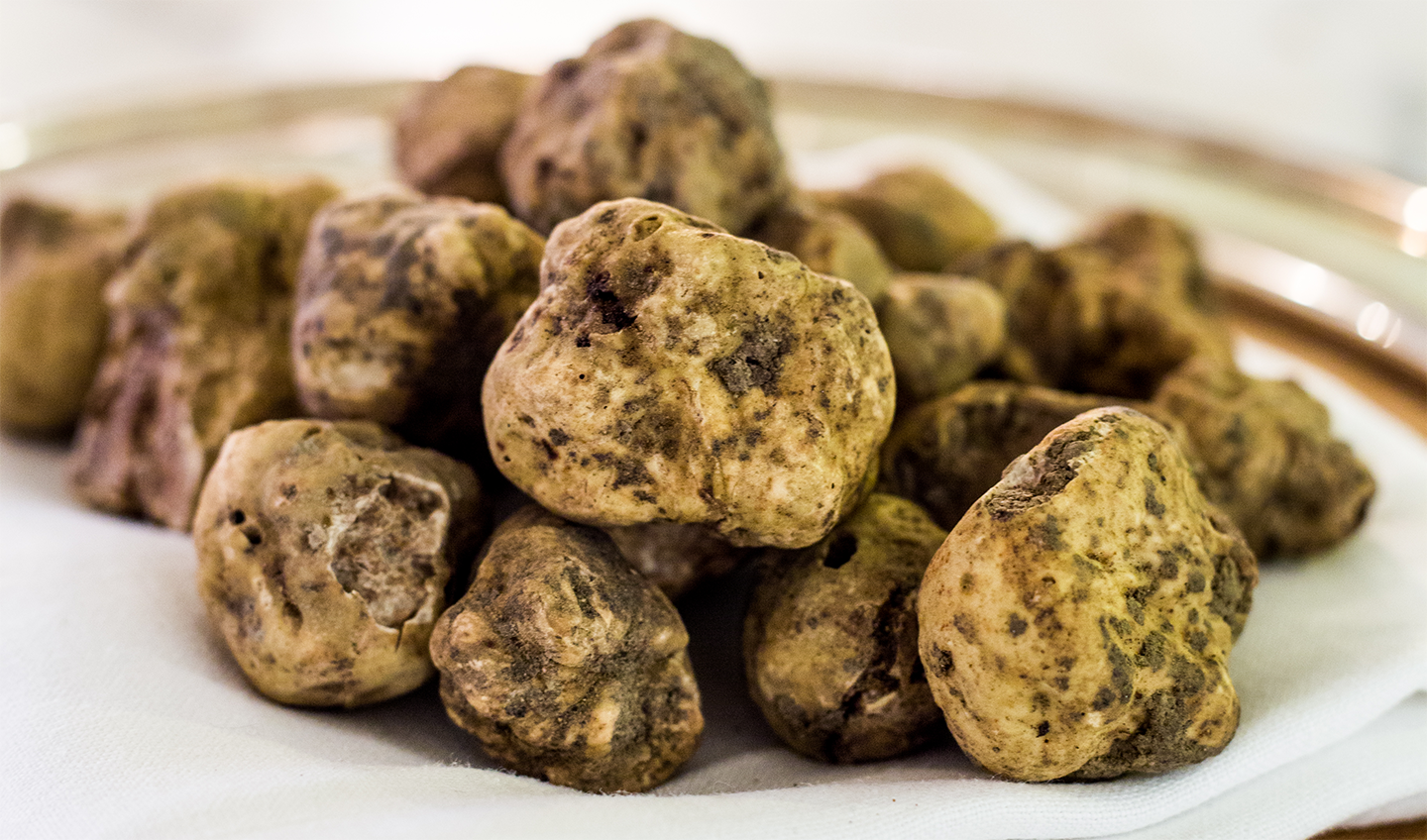
Psilocybe mexicana and Psilocybe tampanensis anchor the legal truffle market. Both species form sclerotia under stress conditions and can also produce normal mushrooms when fruiting is induced. Mexicana strains marketed as Jalisco or similar names refer to geographic isolates whose alkaloid profiles overlap more than marketing suggests. Tampanensis was described from Florida material in the late 1970s and later became a staple sclerotium crop in Dutch facilities.
Atlantis, Hollandia, and other fantasy trade names usually denote selected lines of tampanensis or mexicana rather than separate species. Treat them as cultivar nicknames unless a vendor publishes independent laboratory certificates tied to a voucher specimen.
European wild Psilocybe species
Psilocybe semilanceata, the liberty cap, fruits in grazed grassland across northwestern Europe including the Netherlands. Its conical cap and slim stem differ sharply from cubensis morphology. Foragers sometimes target liberty caps because they grow abundantly in autumn, yet possession and picking remain legally sensitive throughout the EU regardless of local enforcement tone.
Psilocybe cyanescens and related wood loving species colonize wood chip mulch in parks and gardens. They often fruit in clusters and display wavy cap margins. Potency per dry gram can exceed many cubensis strains in published surveys, which increases the stakes when novices confuse them with toxic lookalikes such as Galerina species.
Citizen science platforms like iNaturalist help document distribution but are not identification authorities. Always cross check observations with regional keys and, when in doubt, exclude the specimen from consumption.
Alkaloid variation across species and tissues
Peer reviewed summaries indexed through reviews of Psilocybe chemistry show that psilocybin and psilocin percentages span wide ranges even within one species. Fruiting bodies, sclerotia, and substrate bound mycelium do not share identical profiles. Environmental stress, harvest timing, and drying method shift numbers more than many strain logos imply.
Species level pharmacology papers such as those catalogued under Psilocybe species alkaloid surveys remind readers that a single published mean is not a dosing guarantee. Clinical programs at Johns Hopkins psychedelics research use synthetic psilocybin precisely because fungal biomass introduces variability that species names alone cannot resolve.
Reading Latin names on packaging and websites
Dutch smart shops usually list a trade strain and sometimes the underlying species. When only a brand appears, ask whether the product is mexicana, tampanensis, or a hybrid description before comparing doses with a friend's cubensis experience abroad. Moisture content further separates fresh truffle grams from dried mushroom grams, a distinction our mushroom versus truffle guide treats in depth.
Misapplied Latin names circulate on social media. A label saying Psilocybe hollandia does not describe an accepted species; it is commerce language. Verify against MycoBank or primary monographs before repeating names in educational materials.
Policy context in the Netherlands
European monitoring bodies including the EMCDDA note that the Netherlands permits psilocybin containing sclerotia while prohibiting fresh psilocybin mushrooms. The policy references product categories, not a scientific judgment that one species is safer than another. Species knowledge still informs risk because tourists may illegally seek liberty caps or import dried cubensis assuming equivalence with shop truffles.
Understanding which species are legal to sell, which appear only in nature, and which exist solely in illicit markets clarifies why retreat programs emphasize tested sclerotia over foraged caps.
Spore prints, microscopy, and why experts demand both
Reliable identification combines habitat notes, macroscopic traits, spore color on white paper, and sometimes microscopic measurement of spore length and cheilocystidia shape. Liberty caps deposit a dark purple brown spore print; deadly Galerina species leave a rusty brown print that novices misread in poor light. Training courses at universities and mycological societies teach these steps with fresh material, not photos alone.
Retail truffle buyers rarely need microscopy, yet the same rigor underpins why shops can label Mexicana or Tampanensis with confidence while Instagram foragers cannot. When a retreat facilitator cites a species name, you may ask whether their supplier traces batches to verified culture banks.
Historical collections and modern strain banks
Twentieth century ethnomycology brought Psilocybe samples from Oaxaca and other regions into European labs, seeding culture collections that still feed commerce. Herbarium vouchers anchor legitimate science: a printed name without a preserved specimen cannot be revised when DNA tools improve. Strain banks maintained by growers function similarly inside the industry, even though tourists never see the paperwork.
That history explains why two Atlantis packages from different years may feel distinct despite sharing a marketing story. Genetic drift, substrate recipes, and storage duration matter alongside the Latin headline on the brochure.
Practical safety takeaways
Species identification is a specialist skill. Field guides, spore prints, and microscopic characters exist because visual resemblance kills. The NIH psilocybin reference summary stresses medical supervision and accurate substance identity as prerequisites for harm reduction, even where personal use laws differ.
If you participate in a legal truffle retreat, let professionals handle sourcing. Use species literacy to interpret labels and science news, not to justify independent foraging. When curiosity turns toward wild mushrooms, read the sibling guide on wild identification safety before taking any basket into the field.
Conclusion
Psilocybe species share psilocybin biosynthesis yet diverge in morphology, habitat, legal status, and alkaloid ranges. Mexicana and tampanensis lines power the Dutch sclerotium trade; cubensis and semilanceata dominate conversations elsewhere. Trade names add a third vocabulary layer that only taxonomy and lab testing can untangle. Anchor your learning in verified databases, treat strain logos as weak evidence, and keep product form distinctions from the mushroom versus truffle guide in mind whenever grams and effects are compared.
UNLOCK THE MIND. ELEVATE THE SELF.