


Legal magic truffles in the Netherlands pass through a supply chain that looks informal from a tourist sidewalk yet runs on repeatable cultivation, packaging, and retail habits. Grading is not a government certificate like organic produce in supermarkets. It is a vendor practice that sorts sclerotia by size, moisture, strain label, and sometimes informal strength tiers before vacuum sealing. This article explains what grading means in that context, which quality signals consumers can verify, and where marketing language outruns laboratory testing.
Product background lives in our magic truffles overview. Regulatory framing appears in Dutch magic truffle legislation. For how sclerotia are grown before they reach a grading table, see the sibling article on cultivation process in the Netherlands.
What grading means for sclerotia
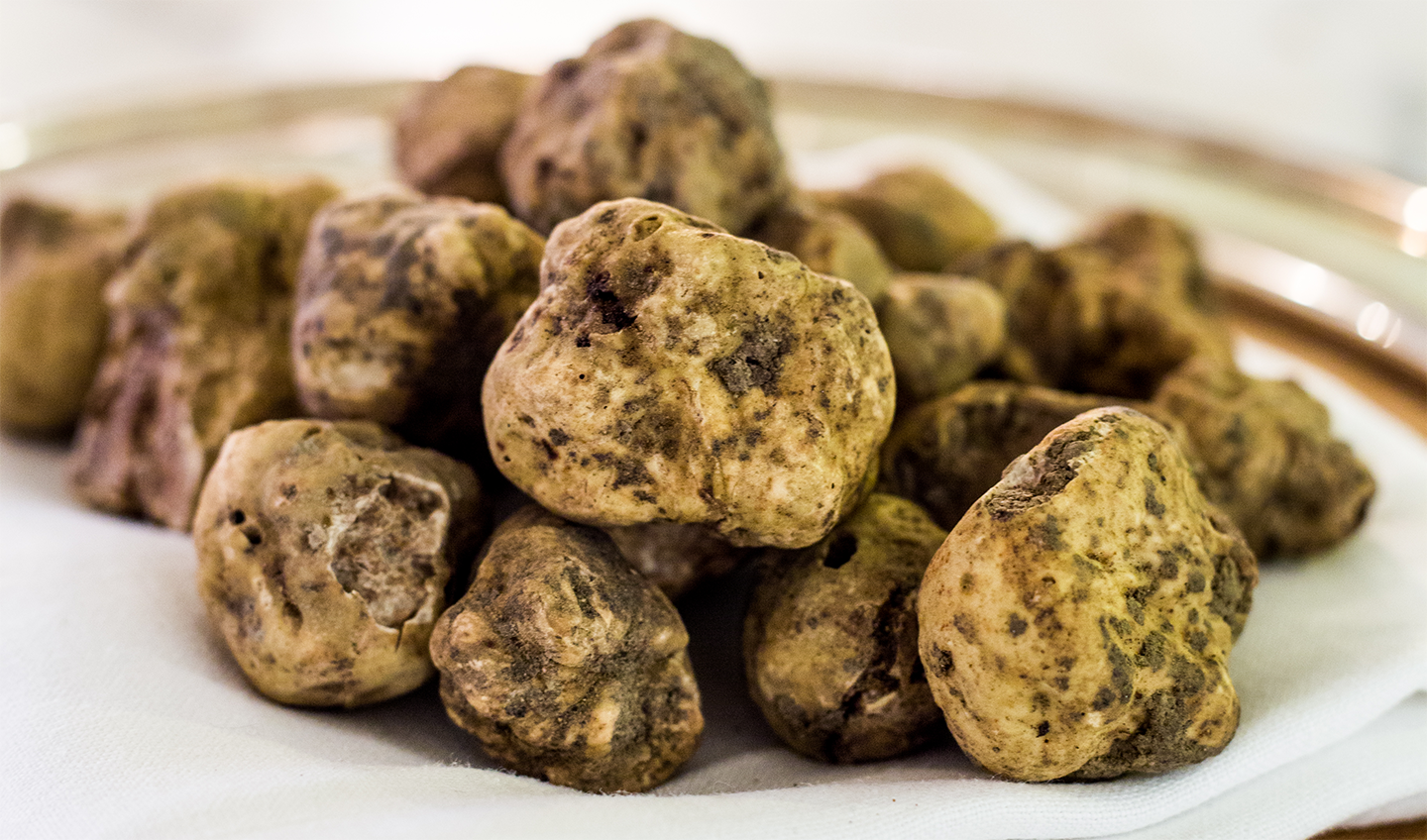
In mycology, grading rarely refers to chemical potency assays at the point of sale. Growers harvest hardened mycelium masses from substrate trays, brush away loose grain, and sort pieces that meet minimum size and firmness thresholds. Large intact sclerotia sell at premium prices because they look impressive in packaging and survive shipping with fewer broken fragments. Small or cracked pieces may be blended into lower tiers or discarded if contamination is suspected.
Species names on labels such as Psilocybe mexicana or Psilocybe tampanensis should match taxonomic records in MycoBank. Grading does not change genetics. It changes which physical pieces enter which bag. Two bags labeled with the same strain can therefore feel different in moisture and texture while sharing similar alkaloid potential per dry gram.
Moisture, weight, and potency communication
Fresh sclerotia are mostly water by weight. A grading line that sorts by fresh mass without stating dry matter percentage makes cross-batch comparison difficult for consumers who think in milligrams of psilocybin. Reputable suppliers sometimes publish approximate moisture ranges or explain that strength labels map to fresh gram bands rather than laboratory certificates.
European drug monitors including the EMCDDA discuss psilocybin products in public health terms without standardizing shop tier names. Mild, strong, and heroic labels are vendor-defined. Reading the printed gram weight on the vacuum bag matters more than adjectives on the front panel.
Visual inspection and contamination control
Quality control at packing stations includes rejecting pieces with green or black mold, sour odor, or slime that suggests bacterial overgrowth. Sclerotia that pass inspection are typically flushed with inert gas or vacuum sealed quickly to slow oxidation and microbial entry. Once the seal breaks, retail grading no longer protects the product. Consumers inherit responsibility for refrigeration and timely use.
Dutch public health institutes such as RIVM publish general food safety guidance on chilled perishables. Truffles are not ordinary groceries, yet the same principles apply: cold chain breaks accelerate spoilage, and damaged packaging is a discard signal rather than a bargain.
Traceability, batch codes, and recalls
Structured supply chains log harvest dates, batch identifiers, and sometimes substrate lot numbers. Those codes enable targeted recalls if a contamination event appears. Tourist buyers should photograph labels before sessions and note vendor contact details. If effects or physical symptoms diverge sharply from prior experiences with identical branding, spoiled or mislabeled product belongs on the list of explanations alongside set and setting.
Traceability also supports accountability when shops source from multiple small growers. A smart shop brand on the bag may not be the farm name. Asking who cultivated a batch is reasonable when allergies or sensitivity to grain residues matter.
How grading interacts with Dutch policy
Sale of psilocybin-containing sclerotia remains permitted under rules summarized on the Dutch government drugs portal and in our legislation guide. Policy regulates which morphological forms may be sold, not minimum potency or universal grading standards. That gap places quality literacy on consumers and on vendor reputation rather than on a national truffle inspectorate.
The 2008 compromise that banned fresh psilocybin mushrooms while allowing sclerotia created a commercial incentive to optimize sclerotium yield rather than cap formation. Grading practices evolved in that economic environment. Understanding policy history clarifies why shops emphasize truffle form over mushroom caps without implying that form alone changes pharmacology.
Cultivation variables that precede grading
Temperature stability, humidity, incubation length, and substrate composition influence sclerotium size before any human sorts them. Agricultural research centers including Wageningen University and Research study fungal storage organs in crop pathogens; parallel biology applies to psychedelic species grown indoors. Two batches with identical strain labels can grade differently if one grow room experienced heat spikes or stalled air exchange.
Readers who want step-by-step indoor process detail should continue with how magic truffles are cultivated in the Netherlands. Grading is the last visible gate before retail, not the only determinant of experience.
What tourists can verify without a laboratory
Confirm vacuum integrity, printed best-before dates, and whether the shop stored products refrigerated. Compare firmness and color across pieces in clear packaging when offered. Avoid bags that feel bloated or smell through the plastic. Ask whether strength tiers refer to fresh grams and whether the label species matches marketing names on menus.
Grading quality control does not replace medical screening, contraindication review, or conservative dosing. It reduces the odds of receiving moldy, mislabeled, or dehydrated product sold as fresh. Pair vendor checks with personal preparation habits rather than treating premium labels as safety guarantees.
Wholesale, smart shops, and responsibility splits
Many retail bags pass through wholesale intermediaries who never see cultivation rooms. Each hop introduces handling time and temperature risk. Shops that receive daily deliveries from chilled trucks behave differently from boutiques that reorder monthly. Grading at the farm level can be excellent while last-mile storage in a warm back office erodes quality before tourists ever open a bag.
Contracts between growers and retailers sometimes specify maximum days from pack to shelf. Those clauses rarely appear on consumer labels. Asking staff when a batch arrived is a practical quality question even if it feels unglamorous compared with strain mythology.
Strength tiers as communication tools
Vendors invented mild, medium, and strong categories because fresh gram weights alone confuse first-time buyers. Tiers translate weight bands into decision language. Problems arise when two shops use identical words for different gram ranges or when tourists assume tiers map to clinical milligram equivalents from depression trials.
Education-focused retailers publish tier tables on websites. Others rely on counter staff explanations that vary by employee turnover. Written tier definitions beat verbal assurances when you plan a session days after purchase.
Future policy and quality standards
Debates recur about whether the Netherlands should tighten truffle regulation after high-profile incidents. Proposals mention age verification, dosage warnings, or packaging standards rather than potency assays. No current proposal replaces vendor grading with government laboratory certificates for every bag.
Travelers should therefore treat grading as a commercial quality layer that can improve experience predictability without guaranteeing medical outcomes. Stay informed through legislation articles when parliament revisits drug retail rules.
Documentation habits for safer decisions
Keep a photo log of packaging, batch codes, and shop receipts when buying legal truffles for education or retreat use. Notes help clinicians if unexpected physical symptoms appear hours later. They also help you compare vendors across trips without relying on memory alone.
Pair product documentation with session notes on dose weight, preparation method, and elapsed time to onset. Patterns across entries reveal whether variability comes from storage, labeling, or personal metabolism rather than mystery potency swings.
Limits of vendor claims
No retail label can promise therapeutic outcomes. Quality grading, organic badges, and strain names describe commerce, not clinical endpoints. Readers crossing from science news into smart shop aisles should carry that skepticism deliberately.
When uncertain, prefer vendors who answer moisture, substrate, and storage questions without redirecting to hype about ancient wisdom or guaranteed enlightenment.
Conclusion
Dutch truffle grading sorts physical sclerotia by size, moisture, and vendor tier names without a single national potency standard. Consumers protect themselves by reading gram weights, inspecting seals, understanding strain labels, and knowing where cultivation quality originates. Use magic truffles overview, legislation, and cultivation process as companion reading when evaluating shop shelves.
UNLOCK THE MIND. ELEVATE THE SELF.